
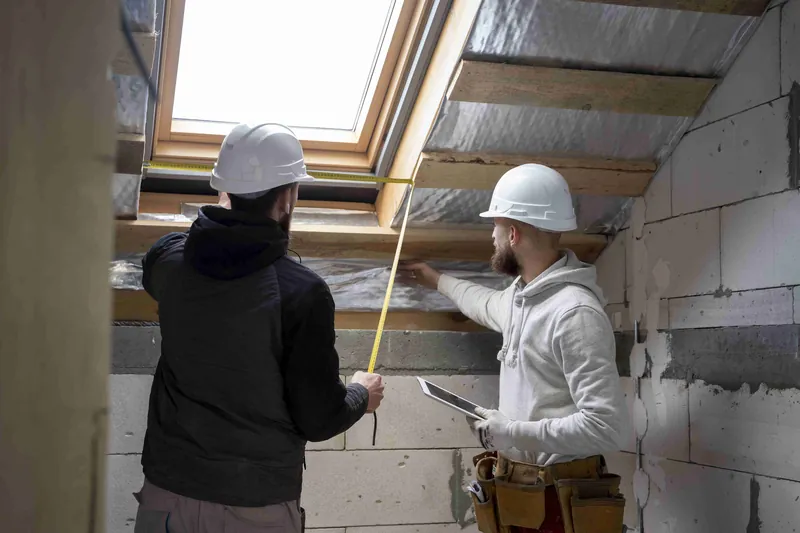
How Is Thermal Insulation Achieved in Prefabricated Homes?
In prefabricated homes, thermal insulation is not just a matter of comfort— it is also a key factor for energy efficiency. It determines not only the structure’s durability but also the seasonal comfort of indoor spaces. So how should ideal insulation be implemented in prefabricated buildings?
1. What Materials Should Be Used?
The main materials used for thermal insulation include:
- EPS (Expanded Polystyrene): A cost-effective and efficient option.
- XPS (Extruded Polystyrene): Preferred for exterior surfaces due to its higher compression resistance.
- Rock Wool: Provides both thermal and sound insulation, and is fire-resistant.
- Polyurethane Spray: An excellent solution for tight or hard-to-reach areas.
2. Application Areas
Insulation should be applied to the entire building envelope, not just the walls:
- Wall Insulation: Applied on both interior and exterior surfaces to prevent thermal bridging.
- Roof Insulation: A major portion of heat loss occurs through the roof—making this area a top priority.
- Floor Insulation: Especially critical in cold climates to reduce heat loss through the foundation.
3. Key Considerations for Effective Thermal Insulation
✔️ Material quality is important—but so are proper thickness and correct installation techniques.
✔️ Window and door seals must be airtight alongside wall insulation.
✔️ Use thermal bridge-free connection systems between wall panels.
✔️ The entire structure should be tested with thermal imaging for performance validation.
EvCenter’s Approach to Thermal Insulation
In our prefabricated building projects, we pay attention to every detail.
Our building components feature high thermal resistance and are designed with a goal of
A-class insulation performance.
🔍 Explore Our Projects
📑 Browse Our Catalogs
🏗️ View Our Prefabricated Building Services
📞 Request a Quote Now